NYC "Ciclón Bomba" Threat: What to Expect from the Winter Storm
New York City, a metropolis known for its relentless pace, recently found itself in the grip of a powerful winter storm, ominously dubbed a "ciclón bomba" (bomb cyclone). This intense weather phenomenon brought the city and much of the Northeastern United States to a virtual standstill, prompting widespread declarations of emergency, significant travel disruptions, and a rare call for millions to stay indoors. The sheer force and speed of this
NYC Blizzard: City Paralyzed, State of Emergency Declared underscored the critical need for preparedness and understanding in the face of nature's formidable power.
The storm's rapid intensification and broad impact across the region highlighted its unusual severity. From Maryland to Maine, communities braced for conditions that meteorologists warned could be historic. The term "ciclón bomba" itself paints a vivid picture of the storm's dramatic and sudden strengthening, a process that captivated weather watchers and concerned residents alike. Understanding the dynamics of such a system is crucial for residents to navigate future weather events and appreciate the robust emergency responses put in place by authorities.
Unprecedented Winter Fury Grips the Northeast
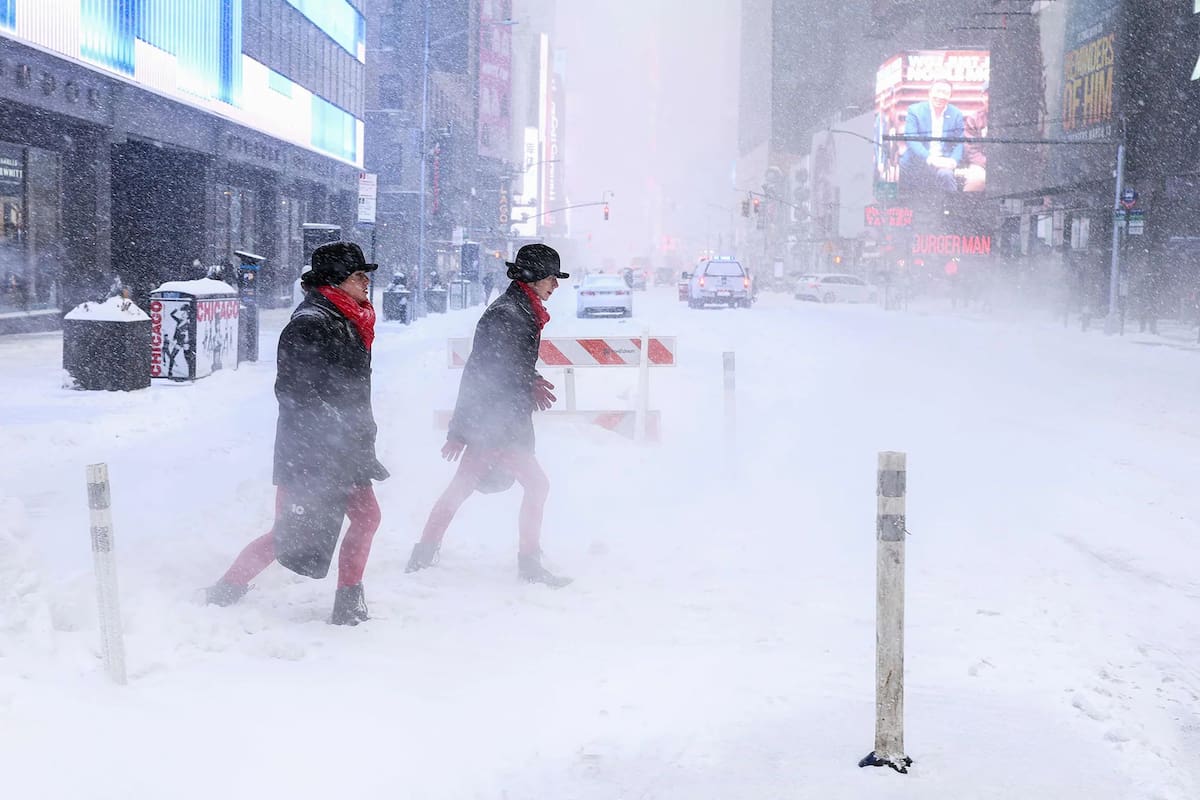
The recent winter storm was far from an ordinary snowfall. It blanketed New York City and a significant portion of the Northeast with relentless snow, driven by intense winds that drastically reduced visibility. Blizzard warnings were activated across multiple states, compelling millions to shelter in place. This wasn't just a cold front; it was a rapidly intensifying system that meteorologists carefully monitored for its potential to evolve into a "bomb cyclone."
A bomb cyclone, or "ciclón bomba," is a meteorological term describing a mid-latitude cyclone that undergoes rapid strengthening, with its central atmospheric pressure dropping by at least 24 millibars within a 24-hour period. This swift drop in pressure generates powerful winds and heavy precipitation, often leading to blizzard conditions, whiteouts, and significant disruption. Weather experts like Frank Pereira noted that this particular storm was expected to meet this definition by its conclusion, signaling its exceptional intensity.
The storm's progression was meticulously tracked, advancing from south to north, with alerts extending from Maryland all the way up to Maine. The National Weather Service issued grave warnings: many areas could see snow accumulations between 30 and 60 centimeters (12 to 24 inches), with periods of intense snowfall reaching up to five centimeters (two inches) per hour. Such rates, combined with violent gusts, translated into near-zero visibility, making any form of travel perilous. This significant
New York's "Decade Blizzard": Traffic Ban & City Lockdown was a stark reminder of the region's vulnerability to extreme winter weather.
State of Emergency and Drastic Mobility Restrictions
In response to the escalating threat, authorities across the affected region acted swiftly and decisively. New York City Mayor Zohran Mamdani declared a state of emergency for the entire city, a measure underscoring the severity of the incoming *tormenta nueva york*. This declaration, coupled with similar actions in Philadelphia and various Northeastern states, activated comprehensive contingency plans aimed at protecting residents and ensuring the rapid deployment of emergency services.
One of the most immediate and impactful measures was the strict prohibition on road circulation. Starting Sunday evening, cell phones across New York City buzzed with shrill alerts, notifying residents of a travel ban effective until Monday midday due to "dangerous blizzard conditions." Similar restrictions were implemented in New Jersey and Rhode Island as the storm's reach expanded. The Mayor's office clarified that city streets would be closed to vehicular traffic to facilitate the swift movement of emergency personnel and essential workers between 9:00 PM Sunday and 12:00 PM Monday. This encompassed local roads, bridges, and tunnels, effectively locking down the city for non-essential travel.
Mayor Mamdani emphasized the unprecedented nature of this particular *tormenta nueva york*, stating that the city had not experienced a storm of this magnitude in the past decade. He referred to it as "the first old-fashioned snow day since 2019," a sentiment that, while perhaps nostalgic for some, belied the serious safety concerns that necessitated such drastic measures. The objective was clear: keep people off the roads to prevent accidents, allow plows to clear snow effectively, and ensure emergency services could respond without hindrance.
Widespread Disruption: Travel, Education, and Daily Life
The storm's impact permeated every facet of daily life across the Northeast. The transportation sector bore the brunt of the disruptions. Regional airports reported widespread cancellations and delays, leaving thousands of travelers stranded. Public transport systems in some areas were entirely suspended, severing vital links for commuters. Even delivery platforms, a staple of modern urban life, announced service interruptions, deeming it unsafe for their personnel to navigate snow and ice-covered streets.
The educational landscape also underwent a significant shift. Public schools in New York City and Boston opted for full cancellations of in-person classes, prioritizing student and staff safety. Philadelphia, while avoiding a complete shutdown, transitioned to virtual learning, allowing education to continue remotely. Cultural institutions, events, and other public gatherings were similarly affected, with cancellations and postponements becoming the norm. The city's vibrant rhythm was temporarily paused, replaced by the quiet hum of a snow-covered urban landscape.
Beyond the immediate practicalities, the storm posed a serious threat to vulnerable populations. Social outreach teams worked tirelessly, traversing the icy streets to persuade homeless individuals to seek shelter in designated centers. The combination of dangerously low temperatures and intense winds presented a life-threatening scenario for those without adequate protection, highlighting the humanitarian aspect of disaster response during such severe weather events.
Navigating the Storm: Essential Tips for NYC Residents
While the immediate threat of this specific bomb cyclone may pass, the lessons learned from this powerful *tormenta nueva york* are enduring. Preparing for future winter storms is paramount for the safety and well-being of all residents.
Here are some essential tips and actionable advice:
- Stay Informed: Always monitor official weather alerts from the National Weather Service and local authorities. Utilize mobile alerts, local news, and social media from reputable sources.
- Heed Travel Bans: When travel restrictions are in place, respect them. Non-essential travel not only puts you at risk but also hampers emergency operations.
- Prepare an Emergency Kit: Assemble a kit that includes non-perishable food, water (one gallon per person per day for at least three days), a battery-powered radio, extra batteries, a flashlight, first-aid supplies, essential medications, and a power bank for charging devices.
- Secure Your Home: Ensure windows and doors are properly sealed to prevent heat loss. Clear gutters and downspouts of debris to prevent ice dams.
- Maintain Heating Safety: If using alternative heating sources, ensure they are properly ventilated and never leave them unattended. Keep carbon monoxide detectors in good working order.
- Check on Neighbors: Especially during severe weather, check on elderly neighbors or those who may need assistance. Offer help if you can do so safely.
- Pet Safety: Bring pets indoors. If they must go outside, limit their exposure and dry them thoroughly upon return.
- Conserve Energy: Reduce your energy consumption to avoid straining the power grid and potentially causing outages.
This recent "ciclón bomba" served as a powerful reminder of nature's unpredictable force and the importance of community resilience. While the beauty of a snow-covered city can be enchanting, the dangers of such a severe *tormenta nueva york* are undeniable. By understanding the threats and taking proactive steps, New Yorkers can continue to face future winter challenges with confidence and safety.
In conclusion, the "ciclón bomba" threat that recently paralyzed New York City and the Northeast was a stark reminder of the power of winter storms. From widespread travel bans and school closures to critical humanitarian efforts for the homeless, the event underscored the need for robust emergency preparedness and community cooperation. As the snow melts, the experience reinforces the importance of staying informed, prepared, and united in the face of nature's formidable challenges.