NYC Blizzard: City Paralyzed, State of Emergency Declared Amid Historic Winter Storm
New York City and vast swathes of the U U.S. Northeast woke up to an unprecedented winter landscape, as a ferocious blizzard brought the region to a grinding halt. From the bustling streets of Manhattan to the quiet suburbs of New Jersey and Rhode Island, millions were urged to stay indoors, their lives dictated by the relentless snowfall, bone-chilling winds, and near-zero visibility. Authorities swiftly declared states of emergency across affected areas, suspended transportation, and issued dire warnings about the storm's potential to intensify into a rare and powerful "bomb cyclone" – a meteorological phenomenon that promised historically severe conditions. This powerful tormenta nueva york proved to be one of the most impactful winter events in recent memory, testing the city's resilience and emergency response capabilities.
The severity of the storm prompted extraordinary measures, including strict travel prohibitions that transformed the usually bustling metropolis into an eerily quiet, snow-laden expanse. The city, which hasn't experienced a storm of this magnitude in a decade, faced an immediate and widespread disruption to daily life. As the blizzard swept across the region, from Maryland all the way to Maine, residents prepared for what the National Weather Service described as potentially 30 to 60 centimeters of snow, with intense snowfall rates of up to five centimeters per hour at its peak. The sheer scale of this winter event underscores the importance of preparedness and rapid response in urban environments.
An Unprecedented Shutdown: Travel Bans and City Lockdown
Beginning Sunday night, cell phones across New York City blared with strident emergency alerts, announcing an immediate travel ban until Monday noon due to "dangerous blizzard conditions." Similar restrictions quickly followed in neighboring states like New Jersey and Rhode Island, painting a picture of a region hunkering down against nature's fury. Mayor Zohran Mamdani, who declared a state of emergency for the entire city, highlighted the exceptional nature of this storm, noting its magnitude had not been seen in the last decade. He stressed that the comprehensive closure of city streets, highways, bridges, and tunnels to regular vehicular traffic was crucial to ensure emergency services and essential workers could navigate the treacherous conditions safely.
The impact on transportation was immediate and profound. Regional airports reported widespread cancellations and extensive delays, leaving thousands of travelers stranded. Public transport systems in some areas were completely suspended, further isolating communities. Even vital delivery platforms announced a halt to their services, as snow and ice-covered streets became impassable for all but the most specialized vehicles. This widespread paralysis underscores the critical vulnerabilities of modern infrastructure to extreme weather events. For a deeper dive into how the city coped with these restrictions, you can read more about New York's "Decade Blizzard": Traffic Ban & City Lockdown.
Navigating the Snow-Covered Streets: Essential Travel and Safety
While the city largely shut down, the movement of essential personnel was paramount. Emergency medical services, snow removal crews, and critical infrastructure workers were granted exemptions, battling the elements to keep vital services running. For the general public, the message was clear: stay home. Any non-essential travel was strongly discouraged, not just due to the immediate hazards of low visibility and slick roads, but also to facilitate the monumental task of snow clearance. This strategic approach minimizes risks and allows resources to be focused where they are most needed during a severe weather event.
- Stay Informed: Continuously monitor local news, weather alerts, and official city announcements.
- Prepare an Emergency Kit: Ensure you have flashlights, extra batteries, a first-aid kit, and enough non-perishable food and water for several days.
- Charge Devices: Keep cell phones, laptops, and power banks fully charged in case of power outages.
- Check on Neighbors: Especially elderly or vulnerable individuals, to ensure they are safe and have necessary supplies.
- Avoid Driving: Unless absolutely essential, stay off the roads to reduce the risk of accidents and allow plows to work efficiently.
The Looming Threat of a "Bomb Cyclone"
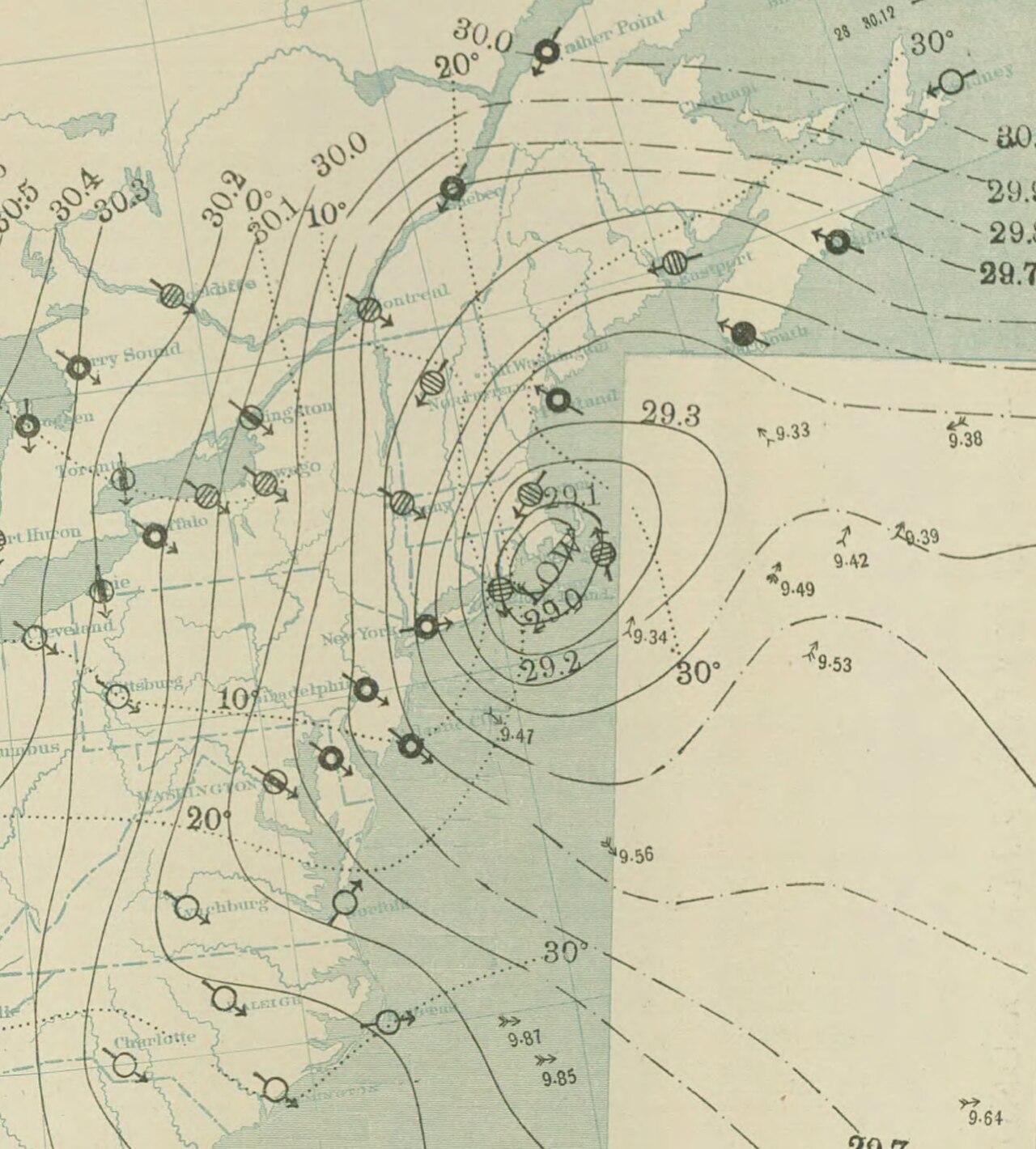
Adding another layer of concern to an already perilous situation was the meteorological forecast predicting the storm could evolve into a "bomb cyclone." As meteorologist Frank Pereira explained, this phenomenon occurs when atmospheric pressure drops rapidly – at least 24 millibars within 24 hours – leading to an explosive intensification of the storm. Such a dramatic shift in pressure fuels stronger winds, heavier snowfall, and more severe conditions. "We believe it will meet that definition by the time the event concludes," Pereira noted, highlighting the storm's exceptional power.
A bomb cyclone can bring hurricane-force winds, whiteout conditions, and coastal flooding, compounding the dangers already posed by heavy snow. This specific characteristic of the tormenta nueva york elevated it from a severe winter storm to a potentially historic weather event, prompting even greater caution and preparedness from authorities and residents alike. Understanding the science behind such powerful weather systems helps in appreciating the gravity of the warnings. To learn more about this specific threat and its implications, explore our article on NYC "Ciclón Bomba" Threat: What to Expect from the Winter Storm.
The Science Behind Atmospheric Pressure Drops
The rapid pressure drop associated with a bomb cyclone indicates a fast-intensifying low-pressure system. This process, known as bombogenesis, draws in tremendous amounts of cold and warm air, creating a potent engine for extreme weather. The contrast between the cold arctic air pushing south and the relatively warmer, moisture-laden air from the Atlantic provides the perfect ingredients for such a powerful storm. For coastal cities like New York, this also raises concerns about storm surges and coastal erosion, even inland areas experience the full brunt of blustery winds and heavy precipitation.
Wider Impacts and Community Resilience
Beyond travel and safety, the blizzard disrupted the very fabric of daily life. Public schools in New York City and Boston canceled in-person classes, while Philadelphia opted for virtual instruction, adapting to the unprecedented conditions. Cultural events and public gatherings were also postponed or canceled, giving the city an unusual quietness. Mayor Mamdani nostalgically remarked on the phenomenon as "the first old-fashioned snow day since 2019," reminding everyone of the simple joys, yet underlying dangers, of such significant snowfall. This tormenta nueva york certainly offered a memorable, albeit challenging, experience for all.
Perhaps one of the most critical efforts during the storm involved social outreach teams traversing the freezing streets. Their mission: to convince homeless individuals to move into shelters and assistance centers. The combination of plummeting temperatures and intense winds posed a life-threatening risk to those without adequate protection. These compassionate efforts underscore the human element of disaster response, highlighting the vulnerabilities within society and the importance of community support during crises. This collective response, from city officials to community volunteers, showcases the resilience and solidarity often seen in times of adversity.
Looking Ahead: Preparing for Future Winter Storms
As the city slowly begins its recovery, the lessons learned from this powerful blizzard will undoubtedly shape future preparedness strategies. The effectiveness of early warnings, stringent travel bans, and coordinated emergency responses proved crucial in mitigating potential fatalities and widespread chaos. For residents, this event serves as a stark reminder of the unpredictable nature of winter weather and the necessity of personal preparedness. Having an emergency plan, understanding local alerts, and having essential supplies readily available are not just recommendations but vital necessities.
The experience of this tormenta nueva york reinforces the need for robust infrastructure, adaptive public services, and informed citizens to face the increasing frequency and intensity of extreme weather events. While the snow will eventually melt, the memory of the city paralyzed and the collective effort to overcome it will endure, serving as a testament to New York's enduring spirit.